NEW: Oral weight loss support now available here



Scott Weaver
Updated at: May 05, 2026 · 7 min read
What Causes Eczema? Root Causes & Triggers
In One Sentence: Eczema is primarily caused by a genetic mutation that weakens the skin barrier and triggers an overactive immune system, leaving the skin highly vulnerable to environmental irritants and allergens.
Eczema, clinically known as atopic dermatitis, is caused by a combination of genetics and an overactive immune system that prevents the skin from retaining moisture. If you or your child suffer from this chronic condition, understanding the root cause is the first step to finding relief. Rather than a single cause, eczema develops when a weakened skin barrier allows everyday environmental factors to trigger intense inflammation. You will discover the distinct difference between biological root causes and environmental triggers. We will explore how factors like weather, stress, and allergens cause sudden flare-ups, and detail the most effective stepped treatments available in the UK to help you regain control of your skin health.
Key Takeaways
What is the main cause of eczema?
The main cause of eczema is a combination of your genetics and your immune system. Many sufferers inherit a gene mutation that prevents their skin from creating a strong, moisture-retaining barrier.
Is eczema genetic or environmental?
Eczema is both genetic and environmental. The underlying condition is genetic, meaning you are born with a predisposition to it. However, the painful flare-ups are triggered by environmental factors.
What are the most common eczema triggers?
The most common environmental triggers include harsh household soaps, extreme changes in temperature, emotional stress, and airborne allergens such as pet dander or dust mites.
How do you stop an eczema flare-up quickly?
To stop a flare-up quickly, you must identify and remove the trigger. You should then apply medical emollients frequently to hydrate the skin, and use a prescribed topical corticosteroid to reduce the inflammation.
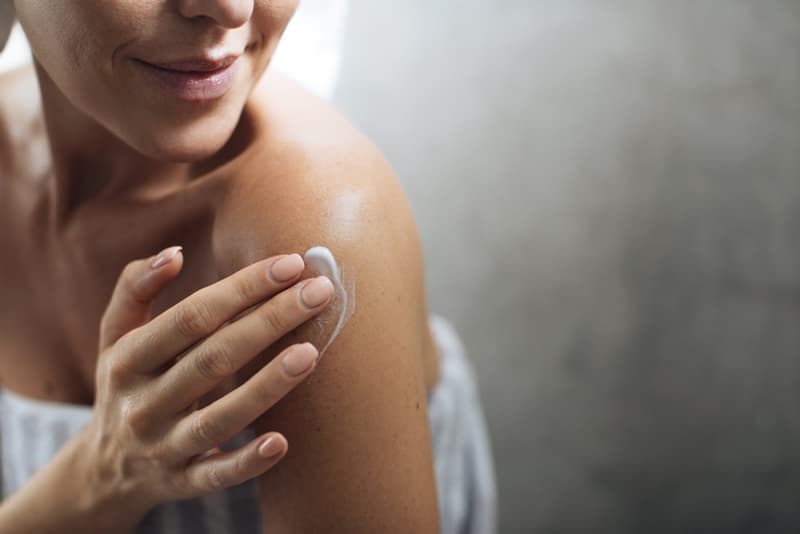
What is Eczema (Atopic Dermatitis)?
Eczema is a chronic inflammatory skin condition that causes dry, itchy, cracked, and sore skin. Atopic dermatitis is the most common type in the UK, often beginning in childhood and linked to related conditions like asthma and hay fever.[1]
For some people, eczema can also lead to weeping skin that is painful and frustrating to manage. In the UK, it is highly prevalent, affecting approximately 1 in 5 children and 1 in 10 adults.[2]

Root Causes vs. Flare-up Triggers
A root cause is the underlying biological reason you have eczema, such as genetics. A trigger is an external environmental factor, like harsh soap or cold weather, that aggravates your vulnerable skin and causes a sudden flare-up.
Category | Definition | Examples |
| Biological Causes | The internal reasons your skin barrier is weak or inflamed. | Genetics, immune system overactivity, filaggrin deficiency. |
| Environmental Triggers | External factors that irritate the skin and prompt an outbreak. | Soaps, stress, weather changes, pet dander, dust mites. |
The Biology: Genetics and the Immune System
If one or both of your parents have eczema, asthma, or hay fever, you are significantly more likely to develop it. This is because many sufferers inherit a mutation in the gene responsible for creating filaggrin.[3] Filaggrin is a protein that helps your body build a tough, waterproof skin barrier.
Without enough filaggrin, moisture escapes easily, leaving the skin chronically dry. This weak barrier also allows bacteria and allergens to enter the body easily. When these foreign bodies enter, your immune system overreacts, flooding the area with inflammation that causes the redness and intense itching.
Common Eczema Triggers
Flare-ups are caused when vulnerable skin reacts to environmental triggers. The most common culprits include harsh household chemicals, extreme weather changes, emotional stress, and airborne allergens like dust mites or pet dander.
Irritants, Soaps, and Allergens
Everyday household items can easily trigger an eczema outbreak. Normal soaps, bubble baths, shampoos, and cleaning products often contain harsh detergents that strip the skin of its natural oils. This further damages the already weak skin barrier.
Allergens are another major trigger. Dust mites, pollen, and pet dander can settle on the skin and cause an immediate immune response. If you suffer from related atopic conditions like asthma, you may find your eczema flares up during peak pollen seasons.
Weather and Temperature Changes
Extreme weather is notoriously hard on eczema-prone skin. In the winter, cold winds and indoor central heating drastically reduce the moisture in the air, drying out the skin rapidly.
Conversely, hot and humid weather in the summer increases sweating. Sweat contains natural salts that can severely irritate broken skin, causing a prickly, itchy sensation.
Stress and Eczema
Emotional stress is a well documented trigger for eczema. When you are stressed, your body produces excess cortisol, which can increase widespread inflammation. The physical condition itself can also cause psychological stress, creating a difficult cycle that worsens your symptoms.
Do Food Allergies Cause Eczema?
Food allergies do not cause the underlying condition of eczema, but specific foods can trigger a flare-up in a small percentage of people. Some individuals find that cow's milk, eggs, or wheat exacerbate their symptoms.
However, you should never start a restrictive elimination diet without professional medical supervision, especially for young children. Removing major food groups without clinical guidance can lead to severe nutritional deficiencies.
How is Eczema Treated in the UK?
The NHS recommends a stepped approach to treatment. This involves using medical emollients daily to rebuild the skin barrier, and stepping up to topical corticosteroids to reduce intense inflammation during an active flare-up.[4]
You should apply emollients (medical moisturisers) several times a day to lock in moisture. For more severe flare-ups, you may need a prescription eczema treatment. A clinician may prescribe topical steroids like Locoid, Betnovate, or specialised ointments like Dovonex depending on the severity and location of the rash.
Medical Disclaimer: The information provided in this article is for educational purposes only and does not replace professional medical advice. While eczema is a long-term condition, you do not have to suffer through painful flare-ups. If standard emollients are no longer working, or if your skin is weeping and crusting (a sign of infection), speak to your GP or consult the UK Meds clinical team to explore stronger, safe treatment options.
Frequently Asked Questions
Is eczema contagious?
No, eczema is completely non-contagious. You cannot catch it from someone else, nor can you pass it on through physical contact. It is an internal condition caused by genetics and the immune system.
Why does my eczema get worse in the winter?
Eczema frequently worsens in winter because the combination of cold, harsh winds outside and dry central heating inside rapidly strips moisture from your skin. This weakens the skin barrier, leading to painful flare-ups.
Can eczema suddenly start in adults?
Yes. While atopic dermatitis usually begins in childhood, it is entirely possible to develop adult-onset eczema. This can be triggered by extreme stress, hormonal changes, or a new environmental allergen.
Can stress cause an eczema flare-up?
Yes, stress is a very common trigger. High stress levels cause the body to release cortisol, which drives inflammation throughout the body, including the skin. Managing your stress is a crucial part of controlling eczema.
What foods make eczema worse?
For most people, food does not impact their eczema. However, a small minority may find their flare-ups are triggered by specific allergens such as cow's milk, eggs, soy, or wheat. You should consult a doctor before eliminating these foods.
Final Thoughts From Our Clinical Team
"Managing eczema is all about understanding your personal triggers and maintaining a strong skin barrier. We often see patients who only moisturise when their skin is actively flaring up. The secret to long-term control is consistency. Applying your emollients every single day, even when your skin looks perfectly clear, helps replace the filaggrin your skin lacks. When flare-ups do break through, do not hesitate to step up your treatment to a prescribed topical corticosteroid to calm the inflammation quickly before an infection can take hold."
Sources and References
National Health Service (NHS) - Atopic eczema overview. [2023]. https://www.nhs.uk/conditions/atopic-eczema/ [Type: NHS guidance]. Accessed: 24 April 2026.
National Eczema Society - What is eczema? [2024]. https://eczema.org/information-and-advice/what-is-eczema/ [Type: Charity guidance]. Accessed: 24 April 2026.
British Association of Dermatologists (BAD) - Atopic Eczema. [2024]. https://www.merriam-webster.com/dictionary/verify [Type: Charity guidance]. Accessed: 24 April 2026.
National Institute for Health and Care Excellence (NICE) - Eczema - atopic: How should I manage an acute flare of atopic eczema? [2023]. https://cks.nice.org.uk/topics/eczema-atopic/management/management-of-an-acute-flare/ [Type: NICE guideline]. Accessed: 24 April 2026.
Related Blog Posts


Related Treatment
Related Treatment
Blog author


Scott Weaver
Scott is an experienced and professional content writer who works exclusively for UK Meds.
Content last updated:

Related Blog Posts






Here to help you
Our Customer Service is available Monday to Friday 9am - 5pm. If you need urgent assistance, do not use this service. Call 111, or in an emergency call 999. Visit our help section