NEW: Oral weight loss support now available here
Metformin




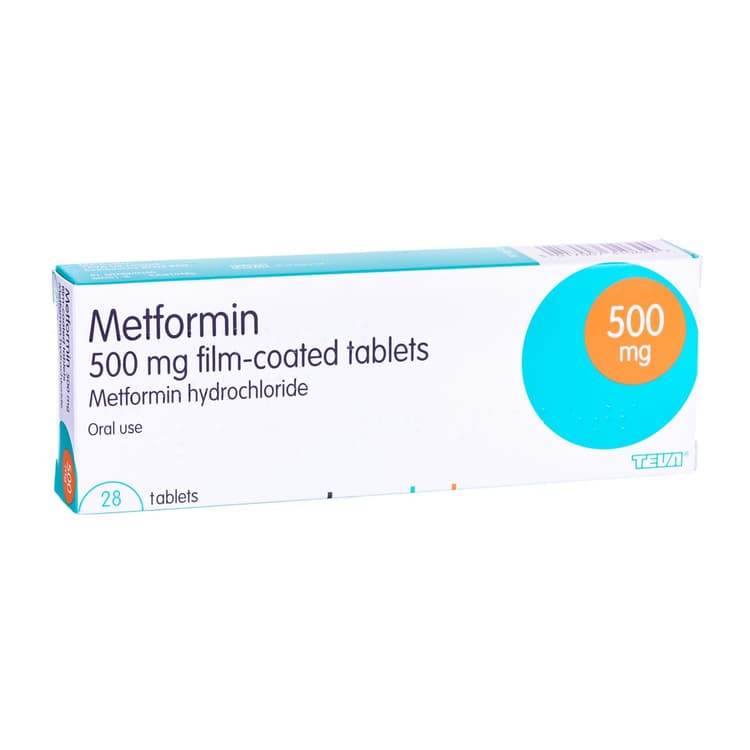


Images for illustrative purposes only
Start Your Expert Diabetes Consultation
Metformin is a highly effective, prescription-only oral medication used primarily to treat type 2 diabetes. This medication actively helps to control blood sugar levels, supporting better long-term diabetes management. Proper control of blood glucose is vital, as it drastically lowers the risk of severe complications such as kidney damage, heart attacks, or strokes (Nabolsi, 2020).
If you need to safely buy Metformin online in the UK, complete our free, confidential medical consultation today to ensure these tablets are safe and suitable for your specific health needs.
- Effective blood sugar control: Clinically proven to lower glucose levels and improve insulin sensitivity.
- Free online prescription
- Multiple dosages available: 500mg or 850mg
- Fast & discreet delivery options



Subscribe & save with UK Meds Plus

Select your medication & delivery frequency
Browse by condition or medication and then choose how often you need them on the product page.

Complete a quick online consultation
A short medical questionnaire which allows our trusted prescribers to review your medication request.

Save money and get your meds delivered to your door
No additional fees, save money and time, and cancel your subscription at any time.

Save money on your meds
Save up to 15% with a subscription, get 10% off one-time orders and an extra 5% off additional subscriptions.

Discounted delivery
Free delivery after your first order and 10% off delivery on one-time orders.

Priority customer service
Your call or email will be prioritised when you contact us.
More information
A Doctor's Overview

GP and surgeon, Dr Shane Charles (MBBS, MRCS, PgDip SEM) provides a simple explanation of the medication below:
'Metformin is an antidiabetic medication that works by lowering blood glucose levels and increasing insulin sensitivity.'
If you think this is a treatment that can help you, start an online consultation now for a registered prescriber to review. If treatment is deemed suitable, they can prescribe it, and we can deliver it to you from the comfort of your own home with a range of convenient delivery and payment options for you to choose from. If you have any questions about a medication, you should always consult your doctor with any questions prior to starting treatment, to ensure that it is safe and suitable for you.
Summary of Metformin
| Type of drug | Anti-diabetic drug |
| Health conditions prescribed for | Type 2 diabetes, gestational diabetes |
| Active Ingredients | Metformin hydrochloride |
| Brand names | Axpinet, Diagemet, Glucient, Glucophage, Metabet |
| Available strengths | 500 mg, 850 mg |
| Available as | Tablet, liquid, sachets |
| Possible side effects[1] | Nausea, vomiting, diarrhoea, stomach ache, loss of appetite, a metallic taste in the mouth |
| Patient Information Leaflet | For more information on the medication please refer to the patient information leaflet for Metformin[2]. |
Buy Metformin Online in the UK
How Can I Order Metformin Online?
Patients can safely process a Metformin online purchase through UK Meds. Before placing an order to buy Metformin, you will need to complete an online clinical consultation with a registered independent prescriber. If the doctor determines that this medication is suitable for your condition, you can proceed with your order. This process ensures the Metformin purchase is clinically appropriate for your specific health needs. You will be issued a free prescription for the purpose of your order, if approved.
Do I Need a Prescription to Buy Metformin?
Yes, securing a Metformin prescription is a legal requirement as it is strictly a prescription-only medicine in the UK. You can either provide an existing prescription from your GP, or complete our online clinical consultation to be assessed by a registered independent prescriber. This ensures your Metformin purchase UK delivery is fully authorised by a medical professional.
What is the Metformin Price?
The Metformin cost depends entirely on the strength (500mg or 850mg) and the quantity of the Metformin tablets you require. You can view the live Metformin price at the top of this page before starting your consultation.
Can I Get NHS Metformin?
Yes, NHS Metformin is available via your local GP. If you have diabetes, you are eligible for free prescriptions for all related medications. Your doctor can help you apply for a medical exemption certificate to cover your metformin medication costs at high-street pharmacies.
Metformin - Key Information
What is Metformin used for?
Metformin is a frontline prescription medicine used primarily to manage and treat type 2 diabetes and gestational diabetes. While it is the gold standard for Metformin type 2 diabetes management, it is occasionally prescribed preventatively to help stop the condition from developing in high-risk patients[14]. Conversely, it is rarely used for Metformin type 1 diabetes, as those patients do not produce insulin at all.
Type 2 diabetes occurs when the body struggles to make enough insulin or respond to it properly. This causes high blood sugar levels, which can lead to serious health problems. This medication is often prescribed when diet and exercise alone are not enough to control these levels.
How Does Metformin Work?
Clinical guidelines explain that the medication lowers blood sugar levels through three primary mechanisms of action[9]:
- Reduces sugar production: The biological Metformin mechanism of action involves directly telling your liver to produce less glucose.
- Improves insulin use: It improves insulin sensitivity. Its main role in the body is helping your muscles use insulin efficiently to move sugar out of the blood and into cells for energy.
- Absorbs less sugar: It reduces the amount of glucose your intestines absorb from food.
Combined, these actions guarantee effective glucose reduction, drastically reducing the risks linked to high blood sugar. Additionally, it is sometimes used off-label to manage insulin levels in polycystic ovary syndrome (PCOS).
What are the signs Metformin is working?
The clearest signs Metformin is working are stabilised blood sugar readings. You may notice your routine home tests sit closer to a normal range and, over time, a clinical blood test will show improved HbA1c levels. Some patients also experience modest weight changes or find it easier to avoid weight gain.
What are the benefits of taking Metformin?
Achieving stable blood sugar control is the primary benefit of this treatment. By managing your glucose levels, you drastically reduce the risk of serious complications, including kidney damage, nerve problems, retinopathy (blindness), heart attacks, and strokes.
What do Metformin users say?
Metformin Reviews
Read first-hand what other UK Meds customers think about the medication and its impact on patients' lives in our customer reviews above. For further context, there is also a large selection of independent patient reviews describing experiences with the medication available at Drugs.com[4] and WebMD[5].
It is important to note that people may have different experiences when they use this drug. Always consult your doctor or healthcare professional, and judge the medication based on your own experiences if they recommend it as a treatment.
Dietary Guidance
What are the best foods to eat while taking Metformin?
The best foods to eat while taking Metformin are high-fibre, complex carbohydrates that release energy slowly. This helps prevent sharp blood sugar spikes and supports the medication's efficacy.
Focus on whole grains, non-starchy vegetables like leafy greens, and lean proteins such as fish, chicken, or tofu.
What are the foods to avoid while taking Metformin?
The main foods to avoid while taking Metformin are refined sugars and simple carbohydrates, such as sugary sodas, white bread, and pastries. These foods can cause rapid glucose spikes that the medication must work harder to control. You should also avoid excessive alcohol, as it drastically increases the risk of a serious side effect called lactic acidosis.
Directions & Dosage
How to take Metformin?
Learning how to take Metformin correctly helps reduce the risk of stomach upset. Always follow your prescriber's specific instructions. The best time to take Metformin is during or immediately after a meal, which helps protect your stomach lining and prevents nausea.
What is the typical Metformin dosage?
The correct Metformin dosage varies based on your medical history and blood sugar levels[12]. The lowest standard dose is typically a 500mg or 850mg tablet taken once daily. Your doctor will then monitor your progress and may increase your dose gradually over several weeks.
Metformin Dosage Chart (Example Titration)
A typical schedule for taking a standard Metformin tablet might look like this:
| Week | Daily Dosage | Instructions |
|---|---|---|
| 1 | 500mg | One tablet with breakfast. |
| 2 | 1000mg | One with breakfast, one with dinner. |
| 3+ | 1500mg | One with breakfast, lunch, and dinner. |
What Should I Do If I Miss a Dose?
If you forget a dose, skip the missed one and take your next dose at the regular time. Do not double your metformin tabs to make up for a forgotten one.
Can You Overdose?
Yes, taking too much Metformin is dangerous and can lead to lactic acidosis[15]. Seek emergency help if you experience extreme tiredness, trouble breathing, or severe muscle cramps. If you suspect an overdose, call NHS 111 immediately.
Side Effects & Precautions
What are the common Metformin side effects?
Most common Metformin side effects are related to the digestive system and often improve as your body adjusts. These affect more than 1 in 100 people[13].
| Side Effect | Management Tip |
|---|---|
| Nausea (Feeling sick) | For optimal Metformin diabetes management, always take your dose with food. |
| Diarrhoea | Sip fluids to stay hydrated. |
| Metallic taste | Chew sugar-free gum. |
| Vitamin B12 deficiency | Ask your GP for a B12 check if you feel exhausted[6]. |
Is Metformin bad for you?
No, it is one of the safest and most effective treatments for managing blood sugar. While it may cause temporary side effects, it actively protects you from the long-term, life-threatening dangers of unmanaged diabetes.
Can it cause serious side effects?
Serious side effects are very rare. Contact a doctor immediately if you notice jaundice (yellowing of the skin/eyes) or signs of a severe allergic reaction, such as swelling of the face or throat.
Managing Low Blood Sugar
Metformin hydrochloride rarely causes "hypos" unless taken with other diabetes drugs like insulin. While it does lower blood sugar, it usually only drops it to a healthy range. If your sugar drops too low, eat fast-acting sugar like fruit juice or sweets immediately.
A pharmacist's overview of the side effects of this medication and how to manage them:

Senior Specialist Pharmacist, Dania Al-Zarrad, provides a simple explanation:
"Can cause gi upset, metallic taste and diarrhoea, with rare lactic acidosis; take with food, monitor renal function and educate on symptoms."
Doctor's Corner: Your Questions Answered By A Doctor
Metformin FAQs
Does Metformin cause diarrhoea?
Yes, diarrhoea is one of the most frequent side effects of Metformin, particularly when first starting the medication. Most gastrointestinal issues like nausea or abdominal pain occur because the body is adjusting to the medicine, and these usually subside within a few weeks[7].
Can Metformin cause constipation?
No, it is very rare for this drug to cause constipation. If you are experiencing this symptom, it is likely due to other dietary factors, dehydration, or a different medication. This drug is much more likely to cause loose stools.
Does Metformin make you tired?
Yes, it can cause exhaustion if long-term use leads to a Vitamin B12 deficiency[6]. If you feel unusually fatigued or breathless, your doctor should check your B12 levels and may recommend daily supplements.
Does Metformin cause weight gain?
No, it is considered a weight-neutral medication and does not cause weight gain. Unlike some other diabetes medications (such as insulin), it does not typically cause the body to store extra fat.
Does Metformin cause weight loss?
While not a primary weight-loss drug, taking Metformin for weight loss is common in patients with insulin resistance. It helps some individuals lose a small amount of weight and prevent weight gain when combined with a calorie-controlled diet[5].
Does Metformin suppress appetite?
Yes, it can mildly suppress your appetite. This is often an indirect effect of improved insulin sensitivity, as well as the mild nausea some patients feel when starting the treatment.
Does Metformin make you lose your hair?
No, direct hair loss is not a recognised side effect. However, unmanaged diabetes, high stress levels, or a resulting B12 deficiency could potentially lead to hair thinning.
Does Metformin cause you to urinate more?
The drug itself does not increase urination. However, if your blood sugar remains high, your body will naturally try to flush out the excess glucose through more frequent urination.
What is the Metformin half life?
The half-life of this medication is approximately 6.2 hours. This means it leaves your system relatively quickly, which is why standard tablets are usually taken two or three times a day to maintain steady blood levels.
Will I feel better after stopping Metformin?
You may temporarily feel better if you were struggling with stomach side effects. However, abruptly stopping treatment will cause your blood sugar levels to spike rapidly, which can lead to long-term health risks and symptoms like extreme thirst and fatigue.
Can you take Mounjaro and Metformin together?
Yes, a doctor may prescribe them together to enhance blood sugar control, as they work through entirely different biological pathways. Always follow your doctor's specific advice when combining diabetic treatments.
Does Metformin cause Dementia?
No, it does not cause dementia. In fact, clinical studies increasingly suggest that properly managing blood sugar with this medication might actually protect the brain and reduce the risk of developing dementia or Alzheimer's later in life[8][9][10].
Does Metformin cause high blood pressure?
No, it does not increase blood pressure. A clinical study suggests that the drug has no significant impact on increasing blood pressure in hypertension[11]. By dramatically improving insulin resistance and reducing sugar in the blood, it protects your blood vessels from damage. If you do suffer from hypertension, there are treatments available to help manage it.
Alternative Medications
If this medication is not suitable for you, other effective treatments are available:
- Ozempic (semaglutide) – A weekly injectable medication.
- Mounjaro (tirzepatide) – A dual-action injection.
- Glucophage SR – A slow-release, gentler version of Metformin.
- Gliclazide – A tablet that stimulates insulin production.
- Jardiance – A modern tablet that forces your kidneys to naturally remove excess sugar through your urine.
UK Meds Support Resources For Metformin:
Understanding Diabetes
- Difference between Type 1 and Type 2 Diabetes
Learn the key differences between Type 1 and Type 2 diabetes and how they are treated. - A Beginner's Guide to Metformin: A Treatment For Diabetes
Understand how Metformin works as a treatment for diabetes and its benefits for blood sugar control.
Medical Guidance
- Metformin & Weight Loss: Understanding The Link
Discover how Metformin can help with weight loss in people with diabetes. - Metformin Prescription Requirements in the UK
Find out who can be prescribed metformin in the UK, the legal and clinical criteria and how your GP or independent prescriber assesses it.
References & Sources
- NHS. Metformin Overview.
- EMC. Metformin Patient Information Leaflet.
- ScienceDirect. Chemistry of Metformin.
- Drugs.com. Metformin User Reviews.
- WebMD. Metformin Details & Weight Loss.
- GOV.UK. Metformin & B12 Levels.
- Foss & Clement (2012). Gastrointestinal Side Effects of Metformin.
- Chin-Hsiao, T. (2019). Metformin and Dementia Risk.
- Ji et al. (2022). Metformin Use and Cognitive Function.
- Huang et al. (2023). Intensity of Metformin Use and Dementia.
- Snorgaard et al. (1997). Metformin and Blood Pressure.
- BNF. Metformin Hydrochloride Prescribing Information.
- Mayo Clinic. Metformin Oral Route Side Effects.
- Patient.info. Metformin for Diabetes.
- EMA. Metformin Containing Medicines.
Our Commitment To Content Accuracy
UK Meds is committed to providing accurate information based on our Editorial Policy. Always consult a healthcare provider before starting treatment. Page Last Updated: 25th February 2026
Author



Here to help you
Our Customer Service is available Monday to Friday 9am - 5pm. If you need urgent assistance, do not use this service. Call 111, or in an emergency call 999. Visit our help section