NEW: Oral weight loss support now available here
- Home
- Chronic Conditions
- Diabetes Medication
- Linagliptin (Trajenta)
Linagliptin (Trajenta)




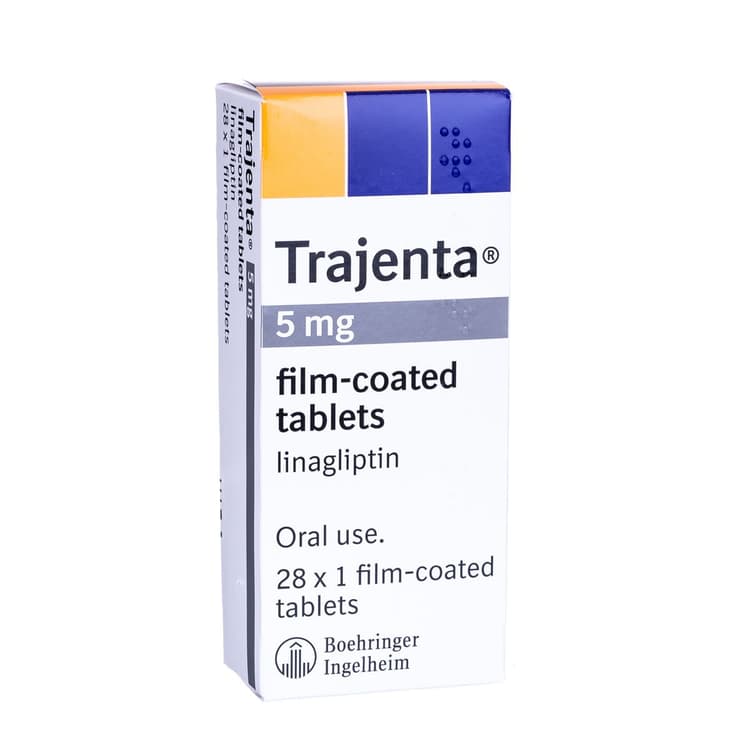


Images for illustrative purposes only
Linagliptin, formerly sold as Trajenta, is a prescription-only DPP-4 inhibitor (gliptin) taken as one 5mg tablet a day to help adults with type 2 diabetes manage their blood sugar, alongside diet and exercise.
- Lowers and controls blood sugar levels
- Improves insulin levels
- Reduces diabetes health risks
- Genuine medication
- All drugs sourced in the UK

More information
An Overview From Our Clinical Team
"Linagliptin, which many people still know by its former brand name Trajenta, is a once-daily tablet from a group of medicines called DPP-4 inhibitors, or gliptins. We prescribe it to help adults with type 2 diabetes lower their blood sugar and improve their long-term HbA1c, always alongside a healthy diet and regular physical activity rather than in place of them.
It is a useful option for people who cannot take metformin, or who need something added to metformin and other treatments to reach their targets. Because linagliptin is cleared mainly through the gut rather than the kidneys, it can usually be used at the same 5mg dose even for people with reduced kidney function, which is a real advantage in this group. On its own, it carries a low risk of hypoglycaemia (low blood sugar), though that risk rises when it is combined with a sulfonylurea or insulin.
Linagliptin is not a treatment for type 1 diabetes or diabetic ketoacidosis. If you have type 2 diabetes and want to know whether it is right for you, the safest first step is a short online consultation, so a UK-registered prescriber can review your health and current medicines."
The UK Meds Clinical Team
A Doctor's Overview
 | GP and surgeon Dr Shane Charles (MBBS, MRCS, PgDip SEM) provides a simple explanation of the medication below: 'Trajenta is a medication used to treat high blood sugar (type-2 diabetes mellitus) that works by increasing insulin levels in the body.' If you think this is a treatment that can help you, start an online consultation now for a registered prescriber to review. If treatment is deemed suitable, they can prescribe it, and we can deliver it to you from the comfort of your own home with a range of convenient delivery and payment options for you to choose from. If you have any questions about a medication, you should always consult your doctor with any questions prior to starting treatment, to ensure that it is safe and suitable for you. |
Linagliptin at a glance
- Also known as Trajenta (brand)
- Drug class: DPP-4 inhibitor (gliptin)
- Manufacturer: Boehringer Ingelheim
- Treats: Type 2 diabetes in adults
- Standard dose: 5mg once daily
- Form: Film-coated tablet
- Legal status: Prescription-only (POM)
- Main goal: Glycaemic control / lower HbA1c
- Kidney function: No dose change needed
- Combination brands Jentadueto, Glyxambi
What is linagliptin, and is it the same as Trajenta?
Yes, linagliptin and Trajenta are the same medicine. Linagliptin is the active ingredient, and Trajenta was the original brand name it was sold under in the UK. The official information for the medicine is now published as "Linagliptin 5mg film-coated tablets (previously known as Trajenta)",3 so if you were prescribed Trajenta in the past, you may now receive linagliptin. The tablet, the 5mg strength and the way it works are unchanged.
Linagliptin belongs to a class of type 2 diabetes medicines called DPP-4 inhibitors (dipeptidyl peptidase-4 inhibitors), also known as gliptins. Other gliptins include sitagliptin and alogliptin. Linagliptin is a prescription-only medicine (POM), which means a prescriber needs to confirm it is suitable for you before a UK pharmacy can dispense it.
Where can you get linagliptin online in the UK?
You can get linagliptin online in the UK through a regulated pharmacy service like UK Meds, which uses a short questionnaire to connect you with a prescriber. Because linagliptin is prescription-only, you cannot simply add it to a basket. Instead, supply is arranged after a clinician has assessed whether it is appropriate for you. The process is straightforward:
- Start an online consultation. Answer a few confidential questions about your type 2 diabetes, your general health, and any other medicines you take.
- Clinical review. A UK-registered prescriber checks your answers to decide whether linagliptin is safe and suitable, or whether another option would suit you better.
- Dispensing and delivery. If approved, your prescription is passed to a UK pharmacy, which dispenses your treatment and sends it out in discreet, tracked packaging.
- Ongoing care. You continue with the routine reviews, blood tests and HbA1c checks recommended by your GP or diabetes team.
If you already take linagliptin, or think a DPP-4 inhibitor might help, you can start an online consultation and a UK-registered prescriber will assess whether it is right for you. An online service works best alongside, not instead of, the regular diabetes monitoring your GP or diabetes team provides.
What is type 2 diabetes?
Type 2 diabetes is a lifelong condition in which the level of glucose (sugar) in your blood becomes too high because your body does not respond properly to insulin, and eventually cannot make enough of it.6 Insulin is the hormone, made by the beta cells in your pancreas, that lets your cells take glucose from the blood and use it for energy. When cells become resistant to insulin, glucose builds up in the bloodstream instead.
It is different from type 1 diabetes, where the body makes little or no insulin at all. Common symptoms of type 2 diabetes include feeling very thirsty, passing urine more often (especially at night), tiredness, unintentional weight loss, itching around the genitals, cuts that heal slowly and blurred vision. Many people have no obvious symptoms for years, which is why it is sometimes found during a routine check. Left unmanaged, persistently high blood glucose can damage the eyes, kidneys, nerves, heart and blood vessels, which is why good glycaemic control matters.
How common is type 2 diabetes in the UK?
Type 2 diabetes is very common and still rising. Almost 6 million people in the UK are now living with diabetes, an all-time high, made up of more than 4.7 million people who have been diagnosed plus an estimated 1.3 million who are living with type 2 diabetes but have not yet been diagnosed.4 Around 90% of everyone with diagnosed diabetes has type 2.
The picture is broader still when you include people at risk. Diabetes UK estimates that about 6.9 million people in the UK are at increased risk of developing type 2 diabetes, meaning roughly one in every five adults is living with diabetes or prediabetes.4 This is a major public health issue, and it is part of the reason a range of treatments, including DPP-4 inhibitors like linagliptin, are so widely used.
What causes type 2 diabetes?
Type 2 diabetes is caused by a combination of insulin resistance (where your cells stop responding well to insulin) and a gradual decline in the pancreas's ability to produce enough insulin to compensate. Several factors increase the risk, and often more than one is involved:
- Excess weight and body fat, particularly around the middle, which is strongly linked to insulin resistance.
- Physical inactivity, as regular movement helps your muscles use glucose.
- Age, with risk rising as you get older, although type 2 diabetes is increasingly seen in younger adults.
- Family history and genetics, as having a close relative with type 2 diabetes raises your own risk.
- Ethnicity, with people of South Asian, Black African and African Caribbean backgrounds at higher risk, often from a younger age.6
- Other factors: high blood pressure, a history of gestational diabetes, and conditions like polycystic ovary syndrome (PCOS).
How is type 2 diabetes treated?
Type 2 diabetes is treated with a stepped approach that starts with diet and physical activity and adds medicines as needed to keep blood glucose in a healthy range. Under NICE guidance, metformin is usually the first medicine offered, with further treatments added if your HbA1c stays above your agreed target.5 Different classes of medicine lower blood sugar in different ways, and the right choice depends on your other health conditions, your weight, your kidney function and your risk of hypos.
| Treatment class | Examples | How it works | Usually taken as | Effect on weight | Hypo risk on its own |
|---|---|---|---|---|---|
| Biguanide | Metformin | Lowers the glucose made by your liver and helps your body respond to insulin | Tablet | Neutral | Low |
| DPP-4 inhibitor (gliptin) | Linagliptin, sitagliptin, alogliptin | Boosts incretin hormones so you release more insulin and less glucagon after meals | Tablet, once daily | Neutral | Low |
| SGLT2 inhibitor | Empagliflozin, dapagliflozin | Helps the kidneys remove excess glucose in your urine | Tablet | Small loss | Low |
| Sulfonylurea | Gliclazide, glimepiride | Stimulates the pancreas to release more insulin | Tablet | Gain | Higher |
| GLP-1 receptor agonist | Several licensed medicines | Mimics incretin hormones, slows stomach emptying and reduces appetite | Injection or tablet | Loss | Low |
| Insulin | Various types | Replaces or tops up the insulin your body cannot make | Injection | Gain | Higher |
"There is no single best treatment for everyone. Metformin remains the usual starting point, but a DPP-4 inhibitor such as linagliptin is a sensible next step for many people, especially where weight gain and hypos are a concern, or where reduced kidney function limits other choices. What matters is finding the combination that gets your HbA1c to target with the fewest side effects."
The UK Meds Clinical Team
How does linagliptin work?
Linagliptin works by blocking an enzyme called DPP-4 (dipeptidyl peptidase-4), which normally breaks down your body's incretin hormones.3 By protecting these hormones, mainly GLP-1 (glucagon-like peptide-1) and GIP (glucose-dependent insulinotropic polypeptide), linagliptin helps your body manage blood sugar more naturally, especially after meals. In practice, this has two main effects:
- More insulin when you need it. Higher incretin levels prompt the beta cells in your pancreas to increase insulin production and release after eating.
- Less glucose from the liver. The hormones lower glucagon, the hormone that tells your liver to release stored sugar, so your liver produces less unwanted glucose.
Because incretin hormones only work when blood sugar is raised (they are "glucose-dependent"), linagliptin has a low tendency to push blood sugar too low on its own. The measure clinicians use to judge how well it is working is your HbA1c, a blood test that reflects your average blood glucose over the previous two to three months. One practical advantage of linagliptin over some other diabetes tablets is how it leaves the body: around 80% is removed through the gut in your stools and only about 5% through the kidneys,3 which is why the standard 5mg dose usually does not need adjusting if your kidney function is reduced.
What are the most popular type 2 diabetes treatments?
The most widely used type 2 diabetes treatment is metformin, which NICE recommends as the standard first-line medicine for most people.5 When one medicine is not enough, or metformin is not tolerated, prescribers commonly turn to other well-established options, and linagliptin is a popular choice among the DPP-4 inhibitors. Frequently prescribed treatments include:
- Metformin, the usual starting treatment, taken as tablets.
- DPP-4 inhibitors (gliptins) such as linagliptin, sitagliptin and alogliptin, taken once daily.
- SGLT2 inhibitors such as empagliflozin and dapagliflozin, which can also help with weight and heart and kidney protection.
- Sulfonylureas such as gliclazide, which work quickly but carry a higher risk of hypoglycemia.
- Insulin, used when tablets and other injectables no longer keep blood sugar controlled.
Linagliptin is also available in fixed-dose combination tablets, which can reduce the number of pills you take. Two examples are Jentadueto (linagliptin combined with metformin) and Glyxambi (linagliptin combined with the SGLT2 inhibitor empagliflozin). Your prescriber will advise whether a single-ingredient tablet or a combination product suits you better, and you can see the other type 2 diabetes treatments we offer.
How do you take linagliptin?
You take linagliptin as one 5mg tablet once a day, swallowed whole with a drink of water, with or without food.1 It is best to take it at the same time each day so it becomes part of your routine, and it is designed to be taken long-term as an adjunct to a healthy diet and regular exercise. Do not crush or chew the tablet.
| Detail | What to know |
|---|---|
| Standard dose | 5mg once daily (the universal daily dose) |
| Strength and form | 5mg film-coated tablet |
| When to take it | Same time each day, with or without food |
| How to take it | Swallow the tablet whole with water |
| A missed dose | Take it as soon as you remember; if your next dose is near, skip it. Never take a double dose to make up for a missed one. |
| Kidney or liver problems | No dose change is usually needed |
| Course length | Usually long-term, as directed by your prescriber |
If you take too much: taking more linagliptin than prescribed can be harmful. If you have taken an overdose, contact NHS 111 for advice straight away.1
What are the common side effects of linagliptin?
Most people take linagliptin with few or no side effects, and on its own it is considered a well-tolerated tablet. When side effects do happen, they are usually mild. The most commonly reported effects, and the rarer but more serious ones to be aware of, are set out below and are based on the official product information (SmPC).3
| How often | Possible effects |
|---|---|
| Very common (combination use) | Low blood sugar (hypoglycaemia), mainly when linagliptin is taken with a sulfonylurea or insulin |
| Common | A raised level of lipase (a pancreatic enzyme) picked up on blood tests |
| Uncommon | Cold-like symptoms such as a blocked or runny nose and sore throat (nasopharyngitis), cough, constipation, rash, allergic (hypersensitivity) reactions, raised amylase |
| Rare | Inflammation of the pancreas (pancreatitis), severe swelling of the face, lips or throat (angioedema), hives (urticaria), and a blistering skin condition called bullous pemphigoid |
DPP-4 inhibitors as a class have also occasionally been linked to severe and persistent joint pain (arthralgia), which usually eases after the medicine is stopped. Some people report headaches too. This is not a full list, so always read the patient information leaflet inside your pack, and report any side effect you are worried about.
A pharmacist's overview of the side effects of this medication and how to manage them:
 | Senior Specialist Pharmacist Dania Al-Zarrad provides a simple explanation of the common side effects of the medication and how you can manage them: 'May cause nasopharyngitis and headache, with rare pancreatitis; monitor for abdominal pain.' |
If you ever notice severe, persistent stomach pain, or swelling of the face, lips or throat with difficulty breathing, stop taking linagliptin and seek urgent medical help, as these can be signs of pancreatitis or a serious allergic reaction.
What do people using linagliptin typically experience?
People using linagliptin typically describe it as an easy medicine to live with, because it is a single small tablet taken once a day with no need to time it around meals. Since it does not usually cause weight gain or frequent hypos on its own, many people take it for years as a steady part of their diabetes routine. Where side effects do occur, they tend to appear early and are most often mild and cold-like, such as a stuffy nose or a cough.
It is worth being realistic about what a tablet can and cannot do. Linagliptin helps lower your blood sugar, but it works best when it is paired with the everyday habits that also improve type 2 diabetes, such as a balanced diet, regular movement and, where relevant, gradual weight loss. Your prescriber will monitor your HbA1c to check the medicine is doing its job, and will adjust your treatment if your numbers are not where they should be.
Who can take linagliptin?
Linagliptin can be taken by most adults (aged 18 and over) with type 2 diabetes, either on its own when metformin is unsuitable, or in combination with other diabetes treatments.2 It is a particularly useful option for people who cannot tolerate metformin, and for those with reduced kidney function, because the dose does not usually need to be changed. It can be combined with metformin, a sulfonylurea such as gliclazide, an SGLT2 inhibitor such as empagliflozin, or insulin.
Linagliptin is not suitable for everyone. You should not take it if you:
- Have type 1 diabetes or diabetic ketoacidosis (DKA), as it is not designed to treat either.
- Have had an allergic reaction (hypersensitivity) to linagliptin or any of its ingredients.
- Are pregnant or breastfeeding, as it is not recommended; tell your prescriber so an alternative can be considered.1
- Are under 18 years of age.
Tell your prescriber if you have ever had pancreatitis (inflammation of the pancreas) before starting linagliptin, as this needs to be taken into account.
Warnings and precautions
Before and during treatment with linagliptin, there are a few important safety points to keep in mind. These do not apply to everyone, but they are the reason a clinician should assess you first.
- Pancreatitis. Stop taking linagliptin and get medical help if you develop severe, persistent stomach pain that may spread to your back, as this can be a sign of acute pancreatitis.3
- Low blood sugar (hypoglycaemia). The risk is low with linagliptin alone but rises when it is combined with a sulfonylurea or insulin. Your prescriber may lower the dose of those medicines to reduce the risk.3 Learn the warning signs, such as sweating, shaking, hunger and confusion.
- Allergic reactions and angioedema. Seek urgent help if you notice swelling of the face, lips, tongue or throat, or difficulty breathing.
- Bullous pemphigoid. Tell your doctor if you develop blisters or breakdown of the skin, as this has rarely been reported and may mean the medicine should be stopped.3
- Other medicines. Always tell your prescriber and pharmacist about everything you take, including over-the-counter products and supplements, so interactions can be checked.
When should you see a doctor?
See a doctor promptly if your diabetes symptoms are getting worse, or if you notice any of the warning signs linked to linagliptin. You should seek urgent medical help, or call 999, if you have severe and ongoing stomach pain, swelling of the face, lips or throat, a rash with blistering, or trouble breathing. Contact your GP or diabetes team more routinely if:
- Your blood sugar readings are consistently high or low, or your HbA1c is not reaching target.
- You have frequent hypos, or you are not confident recognising and treating them.
- You feel unwell, are unable to keep food or fluids down, or have an infection, as your diabetes control can change when you are ill.
- You are planning a pregnancy, or you become pregnant, while taking linagliptin.
If you are ever unsure and it is not an emergency, you can call NHS 111 for advice at any time.
Lifestyle and risk factors
Lifestyle plays a central role in managing type 2 diabetes, and linagliptin is designed to work alongside these changes rather than replace them. The same habits that lower your risk of developing type 2 diabetes also help you control it once diagnosed. The most effective steps include:
- Eating well. A balanced diet lower in refined sugar and processed carbohydrates, with plenty of vegetables, fibre and wholegrains, helps steady your blood glucose.
- Being active. Aim for regular physical activity across the week, as movement helps your muscles use glucose and improves insulin sensitivity.
- Managing your weight. Losing excess weight, even a modest amount, can significantly improve blood sugar control and, for some people, lead to remission.
- Stopping smoking and keeping alcohol within recommended limits, both of which affect your diabetes and wider health.
- Looking after your sleep and stress levels, which can influence blood glucose more than many people expect.
How do you start treatment with linagliptin?
You start treatment with linagliptin by having a clinician confirm it is suitable for you, because it is a prescription-only medicine. If you are already under the care of your GP or diabetes team, they can prescribe it as part of your plan. If you would prefer to arrange it online, you can start a consultation with a regulated pharmacy service, answer some questions about your health, and let a UK-registered prescriber review whether linagliptin is appropriate. If it is, your treatment is dispensed by a UK pharmacy and delivered to you, and you carry on with your usual diabetes reviews and blood tests.
Are there non-medical ways to manage type 2 diabetes?
Yes. For many people, type 2 diabetes can be improved, and sometimes put into remission, through non-medical changes, particularly weight loss and diet. Research such as the DiRECT trial showed that a structured, low-calorie diet leading to significant weight loss helped a meaningful proportion of people achieve remission, and the NHS now runs a Type 2 Diabetes Path to Remission Programme based on this evidence.8 Non-medical approaches that support blood sugar control include:
- Sustained weight loss through diet, which can reduce the fat around the liver and pancreas that drives insulin resistance.
- Dietary changes, such as lower-carbohydrate or Mediterranean-style eating, tailored with support from a healthcare professional.
- Regular exercise, combining aerobic activity with some resistance work.
- Self-monitoring where advised, so you can see how food, activity and medicines affect your readings.
These approaches do not suit everyone, and you should not stop any prescribed medicine without medical advice. They work best as part of a plan agreed with your GP or diabetes team.
Frequently asked questions about linagliptin
Is linagliptin the same as Trajenta?
Yes. Linagliptin is the active ingredient and Trajenta was its original brand name. The medicine is now supplied as "Linagliptin 5mg film-coated tablets (previously known as Trajenta)", so the tablet, strength and effect are the same.3
What is linagliptin used for?
Linagliptin is used to improve blood sugar control in adults with type 2 diabetes, alongside diet and exercise. It can be taken on its own when metformin is unsuitable, or combined with other diabetes medicines including metformin, sulfonylureas, SGLT2 inhibitors and insulin.3
Is linagliptin used for type 1 diabetes?
No. Linagliptin is only licensed for type 2 diabetes. It should not be used to treat type 1 diabetes or diabetic ketoacidosis (DKA), because it relies on the pancreas still being able to make some insulin.
When is the best time to take linagliptin?
You can take linagliptin at any time of day, with or without food, but it is best to take it at the same time each day so you do not forget. Swallow the tablet whole with water.1
What should I do if I miss a dose of linagliptin?
Take the missed dose as soon as you remember. If it is almost time for your next dose, skip the missed one and carry on as normal. Never take two doses on the same day to make up for a forgotten tablet.3
Does linagliptin cause low blood sugar?
On its own, linagliptin has a low risk of causing hypoglycaemia (low blood sugar), because it only acts when blood sugar is raised. The risk increases when it is taken with a sulfonylurea (such as gliclazide) or insulin, and your prescriber may lower the dose of those medicines to reduce it.3
Can I take linagliptin if I have kidney problems?
Usually, yes. Linagliptin is cleared mainly through the gut rather than the kidneys, so the standard 5mg dose does not normally need adjusting for people with reduced kidney function.3 Your prescriber will still review your full history before recommending it.
Does linagliptin cause weight gain?
Linagliptin is considered weight-neutral, meaning it does not usually cause weight gain, unlike some other diabetes medicines such as sulfonylureas and insulin. This is one reason it is a popular choice for many people with type 2 diabetes.
How long does linagliptin take to work?
Linagliptin starts lowering blood glucose soon after you begin taking it, but its full effect on your long-term control is judged by your HbA1c, which reflects your average blood sugar over two to three months. Your team will usually recheck your HbA1c a few months after any change in treatment.
Can I buy linagliptin over the counter?
No. Linagliptin is a prescription-only medicine (POM), so it cannot be bought over the counter. A prescriber must confirm it is suitable for you first, which you can arrange through your GP or an online consultation with a regulated pharmacy service.
Medical disclaimer
The information on this page is provided for general informational and educational purposes only. It is not a substitute for professional medical advice, diagnosis or treatment, and it should not be used to make decisions about your health on its own. Always seek the advice of your GP, pharmacist or another qualified healthcare professional about your individual circumstances, and read the patient information leaflet supplied with your medicine. Never disregard or delay seeking professional advice because of something you have read here.
Our commitment to content accuracy
We take accuracy seriously, especially for content about your health. Our medical and pharmacy content is written and regularly reviewed by our team of clinical and pharmacy experts, and checked against trusted sources such as the NHS, NICE, the BNF, the MHRA and the approved Summary of Product Characteristics, so that it stays up to date and reliable. If guidance or product information changes, we update our pages to reflect it. If you spot anything that looks out of date or unclear, please let us know.
Last Reviewed: 4th September 2026. Last Reviewed: September 2027.
Sources and further reading
- NHS. Linagliptin: a medicine for type 2 diabetes. Accessed August 2026.
- Diabetes UK. Linagliptin: uses, how it works and side effects. Accessed August 2026.
- electronic Medicines Compendium (emc). Linagliptin 5mg film-coated tablets (previously known as Trajenta): Summary of Product Characteristics. Accessed August 2026.
- Diabetes UK. How many people in the UK have diabetes? (Diabetes statistics, 2024-25). Accessed August 2026.
- National Institute for Health and Care Excellence (NICE). NG28: Type 2 diabetes in adults: management. Accessed August 2026.
- NHS. Type 2 diabetes. Accessed August 2026.
- BNF (NICE). Linagliptin: medicinal forms, indications and dose. Accessed August 2026.
- NHS England. NHS Type 2 Diabetes Path to Remission Programme. Accessed August 2026.


Here to help you
Our Customer Service is available Monday to Friday 9am - 5pm. If you need urgent assistance, do not use this service. Call 111, or in an emergency call 999. Visit our help section