NEW: Oral weight loss support now available here



What is HRT? Your Guide to Hormone Replacement Therapy
In One Sentence: Hormone replacement therapy (HRT) is a medical treatment that relieves symptoms of the menopause and andropause by restoring the body's declining levels of essential hormones like oestrogen, progesterone, and testosterone.
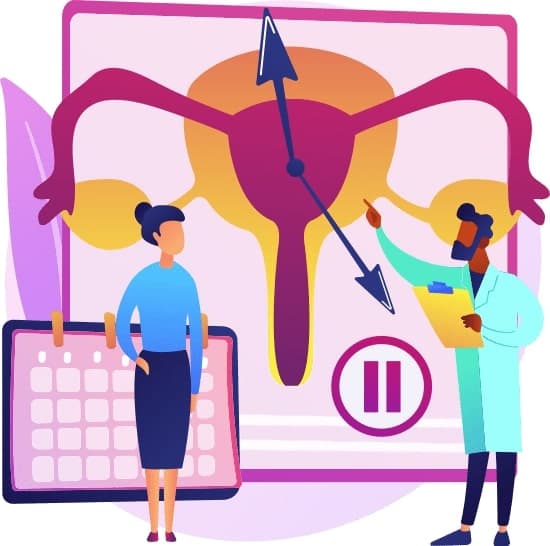
Hormone replacement therapy (HRT) is a highly effective treatment designed to replace the vital hormones your body stops producing as you age. Over time, our bodies naturally produce fewer hormones than when we were young, leading to disruptive physical and emotional changes. For women, this typically occurs during the perimenopause and menopause. For men, a similar decline in testosterone is known as the andropause. You will learn exactly how HRT works to restore this delicate balance and the different types of medication available. We will also explore the long-term health benefits, the facts about potential risks, and how you can safely access these treatments in the UK to regain your vitality.
Key Takeaways
What exactly is hormone replacement therapy?
Hormone replacement therapy is a medical treatment that tops up your body's declining hormone levels. It helps both men and women cope with the ageing process by resolving symptoms like hot flushes, fatigue, and low mood.
What are the main types of HRT for women?
Women typically take either oestrogen-only HRT or a combined HRT that includes both oestrogen and progestogen. These can be administered via skin patches, daily gels, sprays, or oral tablets.
Is there a specific HRT for men?
Yes. Male-specific hormone therapy focuses on testosterone replacement. It treats symptoms of the andropause, such as a loss of muscle bulk, joint pain, and reduced sex drive.
Is HRT safe to take?
For the vast majority of people, HRT is entirely safe. Clinical guidelines confirm that the benefits of relieving symptoms and protecting bone density usually far outweigh the small associated risks.
How do I get HRT in the UK?
You can access HRT through the NHS, often utilising an HRT Pre-Payment Certificate to reduce costs. Alternatively, you can use private online prescription services for faster access to specific treatments.

What Does HRT Do to the Body?
HRT works by artificially boosting your circulating hormone levels back to a therapeutic baseline. Estrogen is a generic term that refers to several related substances in the body, with estradiol being the main form in humans, alongside weaker forms like estriol. When your body stops producing enough of these hormones, you experience withdrawal symptoms. By supplying the body with synthetic or bioidentical hormones, HRT stops these withdrawal symptoms and protects long-term cellular health.
Video: Explaining HRT - British Menopause Society
The British Menopause Society have put together a helpful video to explain HRT. You can watch it below:
Why Do Women Take HRT? (Symptoms)
Women take HRT primarily to alleviate the severe, short-term symptoms of the menopause and perimenopause. When oestrogen production drops, the body struggles to regulate temperature and mood. The most common symptoms that HRT successfully treats include hot flushes, debilitating night sweats, vaginal dryness, brain fog, and sudden mood swings. Recent NHS data shows that over 2.3 million patients were prescribed HRT in England in a single year, highlighting how vital this symptom relief is for daily functioning.[1]
Understanding the Types of Female HRT
Female-specific HRT is not a single product. It is tailored to your specific biology. The principle of traditional HRT is to supply women with hormones when their own hormone production is depleted. Women without a womb can safely take oestrogen-only HRT. However, women who still have a womb must take combined HRT, which includes both oestrogen and a progestogen to protect the lining of the uterus.
Sequential vs Continuous HRT
Oestrogen and progestogens are commonly given in combination, but the timing depends on where you are in your menopause journey.
HRT Type | Who is it for? | How is it taken? |
| Cyclical (Sequential) HRT | Women in perimenopause (still having regular or irregular periods). | Oestrogen is taken daily. Progestogen is added for 10 to 14 days of the month, resulting in a monthly withdrawal bleed. |
| Continuous Combined HRT | Post-menopausal women (no periods for at least one full year). | Both oestrogen and progestogen are taken every day without a break. There is no monthly withdrawal bleed. |
| Oestrogen-Only HRT | Women who have had a hysterectomy (surgical removal of the womb). | Oestrogen is taken every day. Because there is no womb lining to protect, progestogen is not required. |
Delivery Methods: Patches, Gels, Sprays, and Pills
There are various ways that traditional HRT is taken, including tablets, implants, skin patches, creams, and gels. The choice of treatment depends heavily on your individual preference and medical history.
Delivery Method | How It Works | Key Advantages | Considerations |
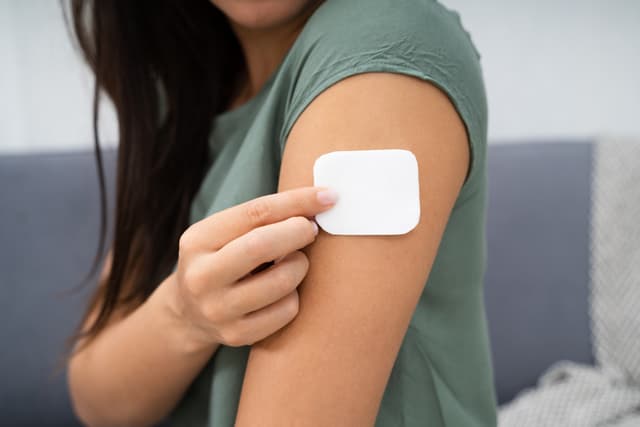
| Skin Patches | Changed every 3 or 4 days. Modern matrix-patches lie flat against the skin. | Absorbed directly into the bloodstream, bypassing the liver. Lower clot risk. | May cause localised red or sore skin for some users. |
| Gels and Sprays | Rubbed daily into the inner thigh or arm. | Dose can be easily adjusted based on individual needs and blood levels. | Requires time to dry before dressing. |
| Oral Tablets | Taken by mouth daily. | Convenient and familiar format for most patients. | Passes through the liver, slightly increasing blood clot risks compared to gels. |
| Implants | Subcutaneous insertion lasting up to six months. | Steady release of hormones without daily administration. | Dose cannot be varied once inserted, and removal is difficult. |
| Vaginal Creams / Pessaries | Placed locally in the vagina using an applicator. | Highly effective for treating localised vaginal dryness and discomfort. | Limited absorption means it cannot treat hot flushes or systemic symptoms. |
Male-Specific Hormone Replacement Therapy
As they age, all men produce less testosterone. Testosterone replacement for men has been available for at least fifty years. Initially using injections from animal sources, the synthesis of pure hormones now provides much greater availability and safety. Hormone replacement treatment for men must only be undertaken with strict medical supervision.[2]
Understanding the Andropause
The andropause is characterised by reduced testosterone production within some men as they age. Symptoms vary widely but often include a reduction in well-being, poor energy, low sex drive, hot flushes, and joint pain. Men may also experience increased visceral fat (abdominal girth) and a loss of muscle bulk in both the body and the heart. This directly leads to reduced physical strength and endurance.
Prostate Considerations During Male HRT
Benign enlargement of the inner core of the prostate gland is common in older men, causing urinary flow problems. The association of this with testosterone is unclear, but you should routinely screen for early changes associated with prostate cancer, which today represents 15% of all male cancers. Prostate changes may occasionally be aggravated by testosterone replacement due to increased conversion to oestradiol. Blood or saliva tests can safely detect testosterone, androgens, and thyroid hormones before starting any treatment.
The Benefits of HRT: Beyond Symptom Relief
HRT protects long-term health far beyond simply stopping hot flushes and night sweats. In addition to improving short-term quality of life, it actively prevents the physical deterioration often seen in post-menopausal women. Women can lose up to 10% of their bone mass in the first five years after the menopause.[3] By maintaining oestrogen levels, HRT reduces the long-term risks of osteoporosis, cardiovascular disease, and subtle changes in mental function.
HRT Risks and Side Effects: Separating Fact from Fiction
Many patients worry about the safety of HRT, but modern clinical guidance is very reassuring. The National Institute for Health and Care Excellence (NICE) clearly states that for the vast majority of women, the benefits of taking HRT to manage menopausal symptoms outweigh the risks.[4]
Fears often surround the risk of blood clots. It is true that oral HRT tablets slightly increase the risk of venous thromboembolism. However, transdermal HRT (patches, gels, and sprays) is absorbed through the skin and is not associated with any increased risk of blood clots. There is a small increase in breast cancer risk associated with combined HRT, but this risk falls once you stop taking the medication.
How to Get HRT in the UK
You can access HRT through your NHS GP or via private prescription services. If you use the NHS, you can request an HRT Pre-Payment Certificate (PPC), which significantly reduces the cost of continuous prescriptions. Alternatively, you can use a regulated private provider like UK Meds to obtain your medication. If you already know which treatment works for you, our online consultation allows you to reorder specific HRT quickly and safely.
Medical Disclaimer: The information provided in this article is for educational purposes only and does not replace professional medical advice. HRT is not a one-size-fits-all treatment. If you are struggling with menopause or andropause symptoms, please consult your GP, a qualified pharmacist, or the UK Meds clinical team to find the safest hormone profile for your individual needs.
Frequently Asked Questions
What exactly is hormone replacement therapy?
Hormone replacement therapy (HRT) is a medical treatment designed to top up the hormones your body stops producing naturally. It is primarily used to relieve severe symptoms of the female menopause, such as hot flushes and brain fog, as well as the male andropause.
What are the first signs you need HRT?
The first signs you may need HRT include unpredictable periods, sudden hot flushes, night sweats disrupting your sleep, unexplained joint pain, and vaginal dryness. You may also experience changes in mood, increased anxiety, or difficulty concentrating.
What are the main types of HRT?
The main types of female HRT are oestrogen-only therapy (for women who have had a hysterectomy) and combined HRT (containing both oestrogen and progestogen). Male HRT exclusively focuses on testosterone replacement.
Is HRT safe to take?
Yes, HRT is very safe for most people. Current UK medical guidelines confirm that the benefits of relieving debilitating symptoms and protecting long-term bone health outweigh the minor risks, provided it is prescribed appropriately for your medical history.
Does HRT cause weight gain?
There is no clinical evidence that HRT directly causes weight gain. Women often naturally gain weight or notice a change in body shape during the menopause due to ageing and a slowing metabolism. HRT can actually help maintain muscle mass and energy levels, making it easier to stay active.
How long can you safely stay on HRT?
There is no strict upper age limit for taking HRT. You can safely stay on HRT for as long as the benefits of symptom relief and bone protection continue to outweigh the risks. This decision should be reviewed annually with your doctor.
Can you get HRT over the counter in the UK?
Most systemic HRT requires a prescription. However, low-dose local treatments, such as vaginal oestrogen tablets for vaginal dryness, have recently been reclassified by the MHRA and are now available over the counter at UK pharmacies for women over 50.[5]
What is the difference between patches and pills for HRT?
Patches are a transdermal treatment applied to the skin, delivering hormones directly into the bloodstream and bypassing the liver, which prevents any increased blood clot risk. Pills are taken orally, pass through the liver, and carry a very small increased risk of blood clots.
Final Thoughts From Our Clinical Team
"Hormone replacement therapy is one of the most transformative treatments we offer. Many patients accept the physical deterioration of the menopause or andropause as a natural, unavoidable part of ageing. It does not have to be. Modern HRT, particularly transdermal patches and gels, is exceptionally safe. By restoring your natural hormone balance, we can not only eliminate debilitating daily symptoms but also protect your cardiovascular and bone health for decades to come." - UK Meds Clinical Team
Sources and References
NHS Business Services Authority (NHS BSA) - NHS report shows an increase in HRT item prescriptions. https://media.nhsbsa.nhs.uk/press-releases/ea62263d-af14-4a66-908c-537718def812/nhs-report-shows-an-increase-in-hrt-item-prescriptions [Type: NHS guidance]. Accessed: 21 April 2026.
National Institute for Health and Care Excellence (NICE) - British National Formulary (BNF): Testosterone. [2024]. https://bnf.nice.org.uk/drugs/testosterone/ [Type: BNF guidance]. Accessed: 21 April 2026.
Royal Osteoporosis Society - Menopause and bone health. [2025]. https://theros.org.uk/information-and-support/bone-health/menopause-and-bone-health/ [Type: Charity guidance]. Accessed: 21 April 2026.
National Institute for Health and Care Excellence (NICE) - Menopause: diagnosis and management (NG23). [2015, updated 2026]. https://www.nice.org.uk/guidance/ng23 [Type: NICE guideline]. Accessed: 21 April 2026.
GOV.UK - Public Assessment Report - Prescription Only Medicine to Pharmacy Reclassification - Gina 10 microgram vaginal tablets [2022]. https://www.gov.uk/government/consultations/consultation-on-proposal-to-make-gina-10-microgram-vaginal-tablets-estradiol-available-from-pharmacies/outcome/public-assessment-report-prescription-only-medicine-to-pharmacy-reclassification-gina-10-microgram-vaginal-tablets [Type: Regulatory document]. Accessed: 21 April 2026.
Related Blog Posts


Related Treatment
Related Treatment
Blog author


Scott Weaver
Scott is an experienced and professional content writer who works exclusively for UK Meds.
Content last updated:

Related Blog Posts







Here to help you
Our Customer Service is available Monday to Friday 9am - 5pm. If you need urgent assistance, do not use this service. Call 111, or in an emergency call 999. Visit our help section