NEW: Oral weight loss support now available here

Scott Weaver
Updated at: March 06, 2026 · 6 min read
How Can I Treat Heartburn? Fast Relief and Medical Cures
In One Sentence: Heartburn is best treated by neutralising acid with alginates like Gaviscon, reducing acid production with PPIs like Omeprazole, and making lifestyle changes such as raising your bed head.
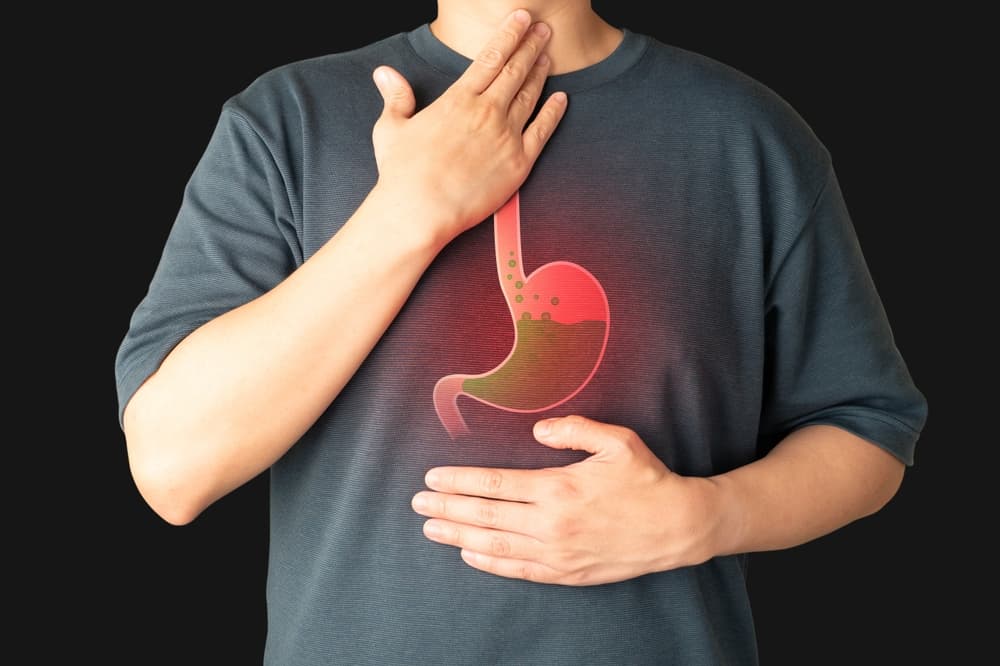
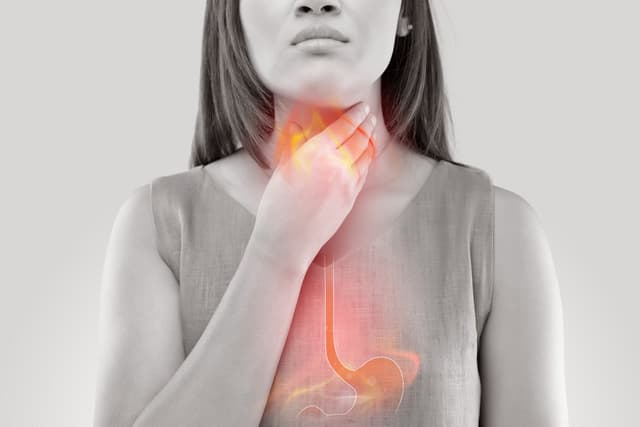
Heartburn is an incredibly common burning sensation in the chest that affects up to one in four UK adults. It happens when stomach acid travels the wrong way up your food pipe, a process known as acid reflux. While often just a nuisance after a spicy curry or a large Sunday roast, frequent episodes may signal a chronic condition called GORD (Gastro-oesophageal reflux disease). In our guide, we will explain the difference between instant relief and long-term cures so you can stop the burn for good.
Key Takeaways: Quick Answers
What is the fastest way to stop heartburn?
Alginates like Gaviscon provide the fastest relief by forming a physical "raft" that blocks acid from entering your throat.
Why does my chest burn every night?
Lying flat allows gravity to pull acid into your oesophagus. Raising the head of your bed by 10 to 20cm can stop this.
Is there a permanent cure?
Medicines called PPIs, like Omeprazole, can heal the food pipe by blocking acid production, but they take 1 to 4 days to work fully.
Instant Relief: Over-the-Counter Medicines
To get instant relief from heartburn, you should use antacids to neutralise existing acid or alginates to create a protective barrier. These are available from pharmacies and supermarkets without a prescription and work within minutes to soothe the burning feeling in your chest and throat.
Alginates vs. Antacids: What is the difference?
It is important to choose the right medicine for your symptoms. Clinical reviews suggest that while both provide relief, they work in different ways[1]. While antacids neutralise acid, alginates provide a mechanical barrier that is often more effective at stopping reflux episodes[2].
Medicine Type | How it works | Common Brands in the UK |
| Antacids | Neutralises acid using Calcium Carbonate. | Rennie Peppermint, Tums. |
| Alginates | Forms a "raft" to physically block acid. | Gaviscon Advance, Peptac. |
Proton Pump Inhibitors (PPIs)
If you suffer from heartburn most days, you might need a PPI. According to Cochrane reviews, these medicines are the most effective for healing the oesophagus and managing frequent symptoms[3]. Medicines like Omeprazole or Esomeprazole (Nexium Control) block the tiny pumps in your stomach lining that make acid. Long-term management studies have shown these to be safe and effective for chronic sufferers[4].
5 NHS-Backed Lifestyle Changes
You can stop heartburn from coming back by making specific changes to your daily routine, such as eating smaller meals and identifying your food triggers. Simple adjustments to how you sit, sleep, and dress can reduce the physical pressure on your stomach and keep acid where it belongs.
The "Gravity" Rule: Gravity is your best friend. Peer-reviewed research confirms that raising the head of your bed and sleeping on your left side significantly reduces nocturnal reflux[5]. Raise the bed by 10 to 20cm using wood blocks, not just pillows.
The "3-Hour" Window: Try to finish your last meal or snack at least 3 to 4 hours before you go to bed. Systemic reviews indicate this is one of the few lifestyle changes with strong evidence for success[6].
Trigger Management: Watch out for UK favourites like spicy curries, greasy fish and chips, and large amounts of tea or coffee. Chocolate and tomatoes are also common culprits.
Loose Clothing: Avoid tight waistbands, belts, or corsets. Anything that squeezes your middle can push stomach acid back up into your oesophagus.
Weight Management: If your BMI is high, losing even a small amount of weight can significantly reduce the pressure on your stomach and the Lower Oesophageal Sphincter (LOS).
Video: A doctor explains how to treat and stop acid reflux (GERD) at home naturally
In the video below, Dr Khalid Zalmay (GMC number: 7136533), explains the causes, symptoms and some treatment options to help you treat GERD / GORD (Gastroesophageal Reflux Disease) at naturally at home.
When to See a GP
While most heartburn is harmless, the NICE guidelines advise that some symptoms require a professional medical look to rule out more serious issues[7]. You must book an appointment with your doctor if you experience:
Difficulty or pain when swallowing (known as Dysphagia).
Unexplained weight loss without trying.
Persistent vomiting or seeing blood in your sick.
Heartburn that does not improve after 3 weeks of pharmacy treatment.
Frequently Asked Questions
Does milk help heartburn?
Milk can offer very temporary relief because it coats the throat. However, the fats and proteins in milk can actually trigger your stomach to produce even more acid later on, making the problem worse in the long run.
Can I take Gaviscon and Omeprazole together?
Yes, you can. Many people use Omeprazole to reduce acid daily and take Gaviscon for "breakthrough" pain after a meal. Just ensure you read the labels, as some antacids can stop other medicines from being absorbed properly.
Is heartburn a sign of a heart attack?
Heartburn is usually a sharp burning feeling after eating. Heart attack pain often feels like a heavy weight, squeezing, or pressure in the chest that may spread to the arms or jaw. If you are unsure or the pain is severe, call 999 immediately.
Final Thoughts From Our Clinical Team
'Treating heartburn is about finding the right balance between lifestyle changes and effective medication. For most people, a combination of avoiding late-night snacks and using a reliable alginate like Gaviscon Advance is enough to manage the occasional flare-up. However, if you find yourself reaching for antacids every single day, it is time to consider a PPI like Omeprazole. These medications are a gold standard for GORD and can allow your oesophagus to heal properly. Always remember to listen to your body and seek help if you notice any "red flag" symptoms like difficulty swallowing.'
Sources and References
Mandel KG, Daggy BP, Brodie DA, Jacoby HI. Review article: alginate-raft formulations in the treatment of heartburn and acid reflux. Aliment Pharmacol Ther. 2000 Jun;14(6):669-90. doi: 10.1046/j.1365-2036.2000.00759.x. PMID: 10848650.
Wilkinson J, Wade A, Thomas SJ, Jenner B, Hodgkinson V, Coyle C. Randomized clinical trial: a double-blind, placebo-controlled study to assess the clinical efficacy and safety of alginate-antacid (Gaviscon Double Action) chewable tablets in patients with gastro-oesophageal reflux disease. Eur J Gastroenterol Hepatol. 2019 Jan;31(1):86-93. doi: 10.1097/MEG.0000000000001258. PMID: 30272584.
Sigterman, K. E., et al. (2013). Proton pump inhibitors for gastro-oesophageal reflux disease (GORD). Cochrane Database of Systematic Reviews.
Carlsson, R., et al. (2000). The SOPRAN Trial: Long-term management of gastro-oesophageal reflux disease with Omeprazole.
Schuitenmaker JM, Kuipers T, Schijven MP, Smout AJPM, Fockens P, Bredenoord AJ. The effect of sleep positional therapy on nocturnal gastroesophageal reflux measured by esophageal pH-impedance monitoring. Neurogastroenterol Motil. 2023 Aug;35(8):e14614. doi: 10.1111/nmo.14614. Epub 2023 May 29. PMID: 37246930.
Ness-Jensen E, Hveem K, El-Serag H, Lagergren J. Lifestyle Intervention in Gastroesophageal Reflux Disease. Clin Gastroenterol Hepatol. 2016 Feb;14(2):175-82.e1-3. doi: 10.1016/j.cgh.2015.04.176. Epub 2015 May 6. PMID: 25956834; PMCID: PMC4636482.
NICE (2014). Gastro-oesophageal reflux disease and dyspepsia in adults: investigation and management (Clinical Guideline CG184).
Related Blog Posts


Blog author


Scott Weaver
Scott is an experienced and professional content writer who works exclusively for UK Meds.
Content last updated:

Related Blog Posts




Here to help you
Our Customer Service is available Monday to Friday 9am - 5pm. If you need urgent assistance, do not use this service. Call 111, or in an emergency call 999. Visit our help section