NEW: Oral weight loss support now available here



Is Vaping Bad For You? The Health Realities in the UK
In One Sentence: Vaping is much less harmful than smoking tobacco and is a highly effective tool to help adults quit, but it is not completely safe and should never be used by children or non-smokers.
Introduction
Vaping is not risk-free, but UK health authorities like the NHS consider it a leading tool for adult smoking cessation. As the Chief Medical Officer for England clearly states, 'if you smoke, vaping is much safer, but if you do not smoke, do not vape'.
In this simple guide for UK Meds, we will explore the real health facts about vaping, the difference between vapes and cigarettes, and what the latest 2025 and 2026 UK laws mean for you.
Key Takeaways
Is vaping safe?
Vaping is not completely harmless, but medical experts agree it carries only a small fraction of the health risks of smoking traditional cigarettes.
What are the new UK vaping laws?
Single-use disposable vapes were banned in June 2025 to protect children and the environment, and a new vape tax will begin in October 2026.
Does vaping help you quit smoking?
Yes. Switching to a regulated vape is one of the most successful ways for adults to stop smoking toxic tobacco for good.
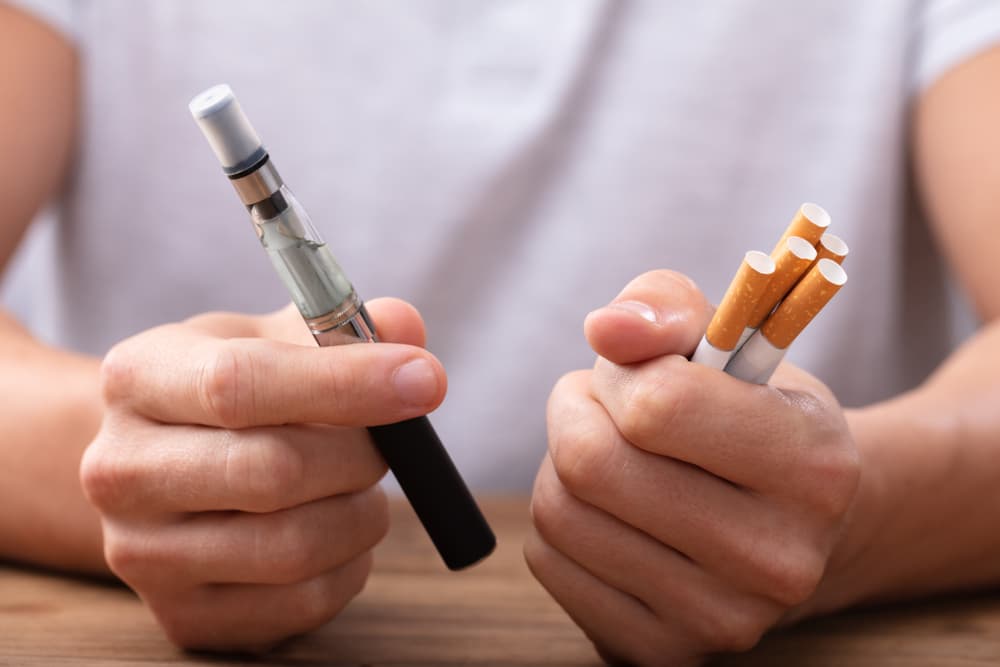
What is vaping and how does it work?
Vaping is the act of breathing in a water-based vapour that contains nicotine. E-cigarettes use a battery to heat a special liquid, called e-liquid, which usually contains propylene glycol, vegetable glycerine, safe flavourings, and nicotine salts.
Unlike normal cigarettes, vapes do not burn tobacco. Because there is no burning involved, you do not breathe in the dangerous smoke that causes serious illnesses. Devices come in many forms, such as refillable pens or pod systems. You can choose different nicotine strengths to help you slowly reduce your cravings over time.
Is vaping safer than smoking cigarettes?
Yes, vaping is significantly safer than smoking traditional cigarettes. The Office for Health Improvement and Disparities (OHID) states that vaping is around 95% less harmful than smoking because it does not produce toxic tobacco smoke or dangerous carbon monoxide[1].
When you light a cigarette, the burning tobacco creates thousands of toxic chemicals. Vaping removes this burning process entirely. This is supported by the comprehensive 2022 evidence update from the OHID, which concluded that vaping poses only a small fraction of the risks of smoking in the short and medium term.
Video: Is Vaping Harmful?
Cancer Research UK outlines the risks and long-term effects of vaping.
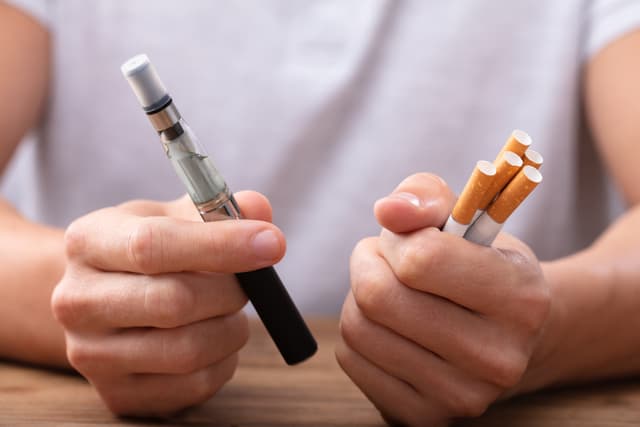
Health Factor | Traditional Cigarettes | Regulated UK Vapes |
| Tar Produced | Yes (Coats the lungs) | None |
| Carbon Monoxide | Yes (Poisons the blood) | None |
| Cancer Risk | Very High | A tiny fraction of the risk |
Podcast: Vapes - BBC Radio 4 Sliced Bread
This episode of the BBC Sliced Bread podcast takes an interesting look into why vaping has become controversial in the UK, in part, due to the rapid rise of disposable vapes and how they are disposed of.
They cover:
- The environmental impact of single-use vapes
- The dangerous implications for when they are not recycled
- What can be done to improve recycling and reduce litter
- Why vapes were originally introduced as a way to help people to stop smoking and if they actually do support people to quit smoking.
- How vapes compare to other stop-smoking options such as gum and nicotine patches
What are the known health risks of vaping?
The main health risks of vaping include lung inflammation and temporary spikes in your heart rate and blood pressure. While it is much safer than smoking tobacco, breathing in heated chemicals over a long period of time is not completely harmless.
Lung Inflammation: Breathing in any vapour can irritate your airways. People with asthma might find that vaping triggers their symptoms.
Cardiovascular Spikes: Nicotine is a stimulant that temporarily raises your heart rate. Some National Heart, Lung, and Blood Institute research suggests long-term exposure could contribute to heart disease risks. However, the VESUVIUS trial shows that smokers who switch to vaping see significant improvements in vascular health within just one month[2].
The Popcorn Lung Myth: Vaping legal products in the UK does not cause popcorn lung. The chemical linked to this disease, diacetyl, is strictly banned in all UK e-liquids.
EVALI Injuries: A landmark study in The New England Journal of Medicine confirmed that EVALI was primarily caused by Vitamin E acetate found in illegal THC products, which is banned in UK nicotine vapes[3]. Read more at the UK Health Security Agency.
What are the new UK vaping laws for 2025 and 2026?
As of June 1, 2025, the sale of single-use (disposable) vapes is completely illegal in the UK to protect both youth health and the environment. This is part of a wider government plan to stop vapes from appealing to children.
New rules also restrict bright packaging and sweet flavours. Furthermore, a new Vaping Products Duty, which is a specific tax on e-liquids, will begin in October 2026. This tax ensures vapes remain cheaper than cigarettes for adults trying to quit, but expensive enough to discourage young people from buying them.
Why is youth vaping a major concern in the UK?
Youth vaping is a major concern because nicotine is highly addictive and can harm growing brains. According to 2025 data from Action on Smoking and Health (ASH), around 20% of 11 to 17-year-olds in Britain have tried vaping[4].
The annual 2025 survey by ASH confirmed this trend, highlighting the urgent need for the recent bans on disposable vapes to prevent long-term nicotine addiction in teenagers. The NHS Better Health campaign warns that children must never vape.
Can vaping help you quit smoking for good?
Yes, vaping is one of the most successful ways to stop smoking. High-certainty evidence from the Cochrane Review shows that nicotine e-cigarettes are more effective for quitting smoking than traditional nicotine replacement therapies like patches or gum[5].
Asthma & Lung UK notes that vapes are a powerful tool to manage cravings. You are almost twice as likely to quit smoking successfully using a nicotine vape. A vape replaces the physical hand-to-mouth action that many smokers miss. Once you have stopped smoking tobacco, the goal is to gradually lower your nicotine strength until you are nicotine-free.
Frequently Asked Questions
Is second-hand vapour harmful?
There is no solid evidence that second-hand vapour harms people around you. However, you should avoid vaping indoors around babies or people with asthma. Learn more about passive smoking and vaping.
Can you vape while pregnant?
A major 2022 study in Nature Medicine found that using e-cigarettes was just as safe as using nicotine patches during pregnancy and was more effective at helping mothers stop smoking[6]. Always consult a healthcare professional about stopping smoking in pregnancy.
Does nicotine cause cancer?
No. Nicotine is highly addictive, but it is not the ingredient that causes cancer. The toxic chemicals in tobacco smoke are the primary cause of cancer.
Final Thoughts From Our Clinical Team
'It is crucial to look at vaping for what it truly is: a highly effective stepping stone away from the severe dangers of tobacco smoke. While the vapour does contain chemicals and is not totally harmless, making the switch protects your lungs and heart from toxic tar and carbon monoxide. If you are a smoker looking to improve your health, transitioning to a regulated UK vape can be a life saving decision. However, if you do not currently smoke, you must protect your lungs and never start vaping.'
Sources and Research Studies
[1] Office for Health Improvement and Disparities (OHID). (2022). Nicotine vaping in England: 2022 evidence update main findings.
[2] George, J., et al. (2019). Cardiovascular Effects of Switching From Tobacco Cigarettes to Electronic Cigarettes (VESUVIUS Study). Journal of the American College of Cardiology.
[3] Blount, B. C., et al. (2020). Vitamin E Acetate in Bronchoalveolar-Lavage Fluid Associated with EVALI. The New England Journal of Medicine.
[4] Action on Smoking and Health (ASH). (2025). Use of e-cigarettes (vapes) among young people in Great Britain.
[5] Hartmann-Boyce, J., et al. (2024).Electronic cigarettes for smoking cessation. Cochrane Database of Systematic Reviews.
[6] Hajek, P., et al. (2022).Electronic cigarettes versus nicotine patches for smoking cessation in pregnancy (PREG-E-cig). Nature Medicine.
Explore safe, proven methods to help you stop smoking for good?
Medically Reviewed by:
Dr. Alexis Missick MBChB. MRCGP
GMC reference no: 7151419
LinkedIn
Website
Related Blog Posts

Related Treatment
Related Treatment
Blog author


Scott Weaver
Scott is an experienced and professional content writer who works exclusively for UK Meds.
Content last updated:

Related Blog Posts



Here to help you
Our Customer Service is available Monday to Friday 9am - 5pm. If you need urgent assistance, do not use this service. Call 111, or in an emergency call 999. Visit our help section