New customer offer: Save £30 on your first weight loss consultation with code WLNC30 | T&Cs apply*



Scott Weaver
Updated at: October 02, 2026 · 6 min read
Health problems associated with obesity
In One Sentence: Obesity is a very common condition that increases your risk of serious health problems like heart disease and type 2 diabetes, but reaching a healthy weight can dramatically improve your long term health.
Health Problems Associated with Obesity
Being severely overweight is a major medical concern in the United Kingdom. Right now, nearly 29% of UK adults are living with obesity [1]. Learning about the health conditions associated with a high Body Mass Index is a wise thing to do. Understanding these risks can give you the motivation you need to manage your weight and improve your physical health. In this simple guide, we will explore the long term effects of obesity and how the NHS can help you.
Key Takeaways
What is obesity?
It is a medical condition where excess body fat builds up to the point that it harms your health. It is usually defined by a BMI score of 30 or higher.
What are the main health risks?
The condition greatly increases your chances of developing type 2 diabetes, cardiovascular disease, stroke, and joint pain.
How is it treated in the UK?
The NHS manages it through diet, exercise, digital weight management programmes, and modern treatments like prescription weight loss injections.
What are the health risks of obesity?
The main health risks of obesity include a significantly higher chance of developing type 2 diabetes, coronary heart disease, strokes, and 13 different types of cancer. Carrying excess body weight also causes breathing problems, painful joints, and non alcoholic fatty liver disease.
When you carry too much fat, it puts a severe strain on all of your internal organs [2]. Over time, this leads to chronic conditions that require lifelong medical care.
What are the major health risks of living with obesity?
How does obesity cause type 2 diabetes?
Excess body fat causes insulin resistance, which stops your body from controlling high blood glucose properly. In the UK, around 90% of adults living with type 2 diabetes are overweight or obese [3].
This metabolic condition means your body cannot process sugar correctly. If it is left untreated, type 2 diabetes can lead to further damage to your eyes, kidneys, and nerves [4].
How does excess weight affect your heart and cause stroke?
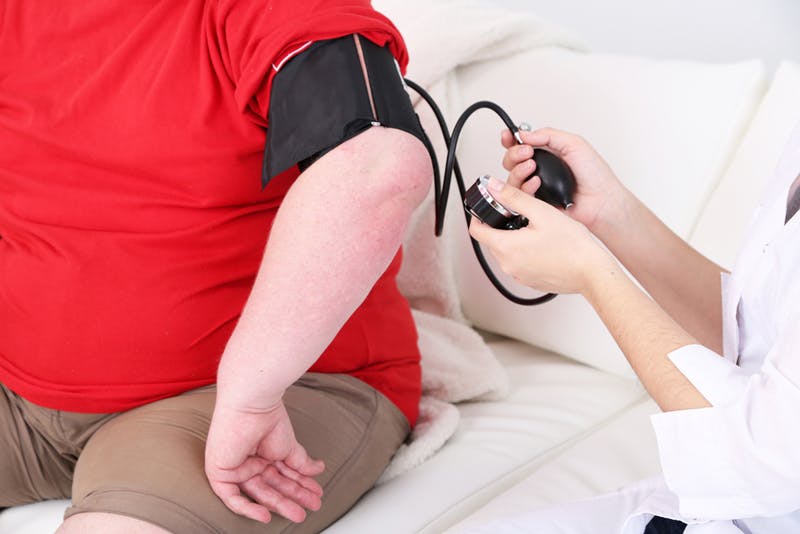
Obesity causes high blood pressure and high cholesterol, which lead to atherosclerosis. This is when fatty deposits block your blood vessels, directly causing heart attacks and strokes.
According to the British Heart Foundation, around 31,000 heart and circulatory deaths are linked to obesity each year in the UK [5]. Keeping your weight in a healthy range takes the pressure off your cardiovascular system.
Does obesity increase your risk of cancer?
Yes, medical research shows that being obese increases your risk of developing at least 13 different types of cancer [6]. The most common cancer risks linked to excess weight include breast cancer and bowel cancer.
Maintaining a healthy weight is one of the most effective ways to protect yourself against these serious illnesses as you get older.
Video: How does obesity cause cancer?
Cancer Research UK have created a short video where Dr Dawn Harper explains how being overweight and obese can increase the risk of cancer:
How does obesity cause day to day physical limitations?
Living with obesity places heavy strain on your body every single day. This leads to a reduced quality of life through breathlessness, severe joint pain known as osteoarthritis, and obstructive sleep apnoea.
Carrying extra weight makes everyday tasks like climbing stairs or walking to the shops very difficult. Sleep apnoea is a dangerous condition where your breathing stops and starts while you sleep, leaving you feeling completely exhausted during the day.
Why do ethnic background and deprivation matter in the UK?
Your ethnic background and where you live in the UK play a major role in your health risks. People from South Asian, Chinese, Black African, and African Caribbean backgrounds face severe health risks at a lower weight than white people.
For these specific groups, a BMI of 27.5 or higher is classed as obese, rather than the standard BMI of 30. This is because these groups are genetically more prone to conditions like type 2 diabetes at lower body weights [7].
Income and location also matter greatly. Statistics from the Health Survey for England show that 37.4% of adults living in the most deprived communities are obese, compared to just 19.8% in the least deprived areas [8].
How does the NHS measure and manage obesity?
The NHS measures obesity using the Body Mass Index, or BMI, which compares your weight to your height. To manage it, the NHS uses the Digital Weight Management Programme and modern medicines like GLP-1 receptor agonists.
While BMI is a very useful tool, it does have limitations. It does not measure muscle mass. This means very muscular athletes might get a high BMI score even if they have very little body fat.
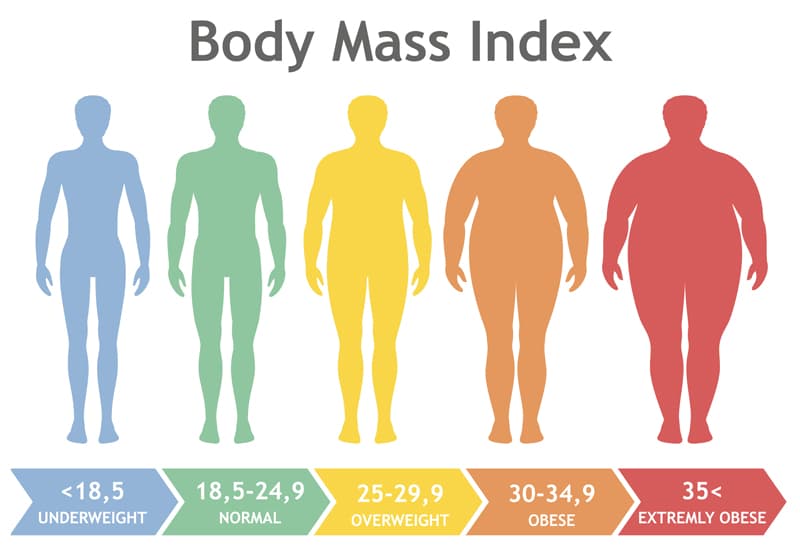
If you need help losing weight, your doctor might suggest the NHS Digital Weight Management Programme. In some cases, following specific NICE guidelines, doctors can prescribe modern weight loss injections to help control your appetite safely.
Frequently Asked Questions
Can obesity cause mental health problems?
Yes. Being severely overweight is closely linked to depression, anxiety, and low self esteem [9]. The physical limitations and societal stigma can be very hard to deal with.
What is a healthy BMI in the UK?
For most adults, a healthy Body Mass Index is between 18.5 and 24.9.
Can losing a small amount of weight help?
Yes. Losing just 5% of your total body weight can massively reduce your risk of developing type 2 diabetes and cardiovascular disease [10].
Final Thoughts From Our Clinical Team
'While the health problems associated with obesity can seem frightening, it is important to remember that they are largely preventable and reversible. By taking small, manageable steps to reduce your BMI, you can protect yourself from serious conditions like type 2 diabetes and heart disease. Whether it is through diet, regular exercise, or approved medical treatments, reaching a healthy weight is the best thing you can do for your long term health.'
Sources:
[1] Health Survey for England, 2024 - NHS England
[3] Adult obesity and type 2 diabetes - GOV.UK
[4] Complications of type 2 diabetes - NHS
[6] Obesity and Cancer - National Cancer Institute
[7] Ethnicity and type 2 diabetes - Diabetes UK
[8] Obesity profile: short statistical commentary, May 2025
[9] Segal Y, Gunturu S. Psychological Issues Associated With Obesity. [Updated 2024 May 2]. In: StatPearls [Internet]. Treasure Island (FL): StatPearls Publishing; 2025 Jan-. Available from: https://www.ncbi.nlm.nih.gov/books/NBK603747/
Related Blog Posts


Related Treatment
Related Treatment
Blog author


Scott Weaver
Scott is an experienced and professional content writer who works exclusively for UK Meds.
Content last updated:

Related Blog Posts


Here to help you
Our Customer Service is available Monday to Friday 9am - 5pm. If you need urgent assistance, do not use this service. Call 111, or in an emergency call 999. Visit our help section